


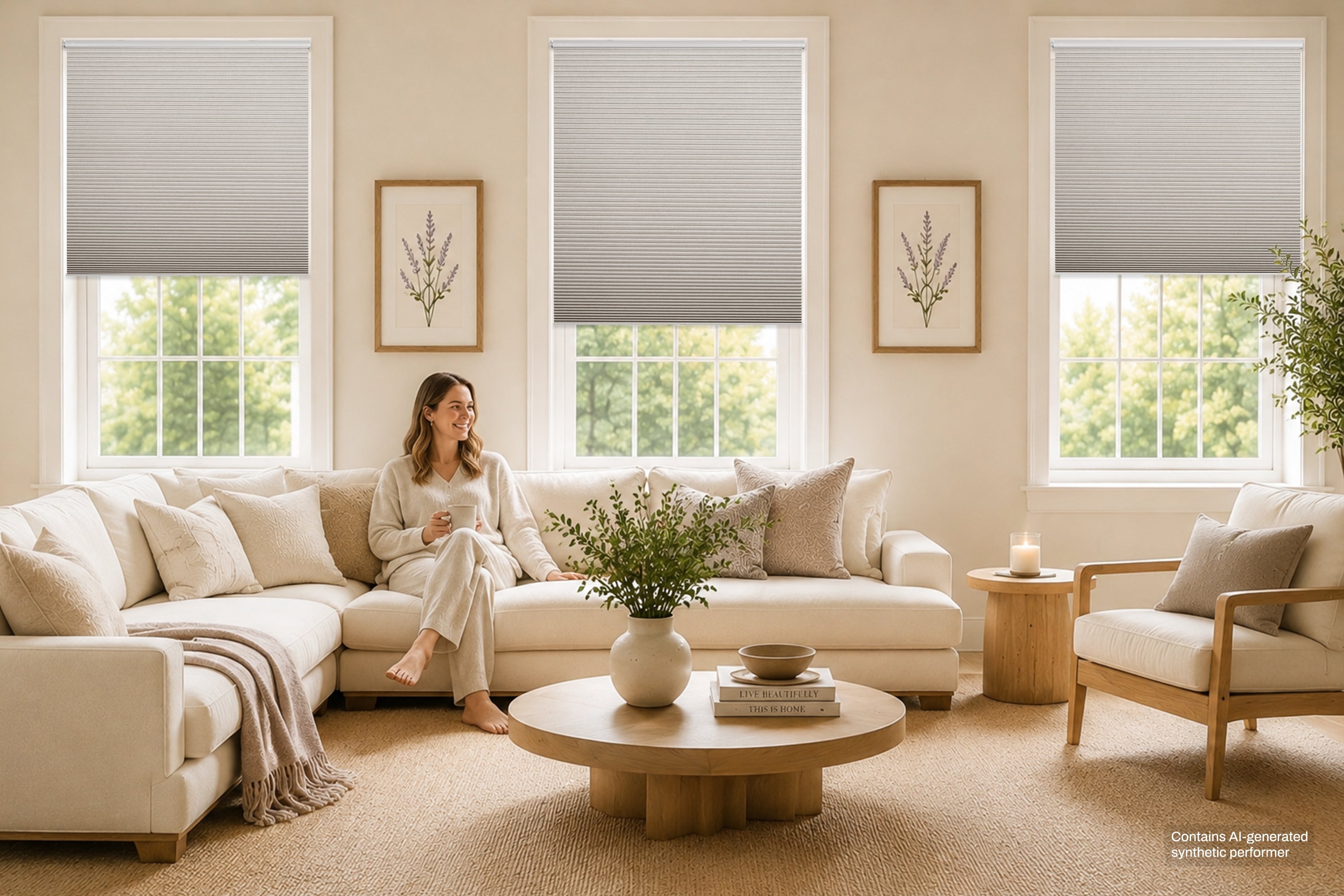
Introduction: What Exactly Are Window Blinds & Shades?
Ever stepped into your living room on a bright morning, only to be blinded by sunlight streaming through your windows, or found it impossible to get a restful sleep because the street lights creep in? These everyday frustrations are exactly why window blinds and shades exist.
At their core, blinds and shades aren’t just decorative, they’re smart window solutions. They help you control sunlight, maintain privacy, reduce noise, enhance insulation, and elevate your room’s décor. But beyond functionality, the right window treatment can make your home feel more comfortable, energy-efficient, and visually appealing, transforming how you experience your space every day.
In this guide, we’ll walk you through everything you need to know: the main types of blinds and shades available on the market, their core functions, and practical tips for choosing the right one for your home. By the end, you’ll not only understand what blinds and shades are, but also why they matter and how to pick the perfect style for your lifestyle.

Key Types of Window Blinds & Shades
Choosing the right window treatment doesn’t have to feel overwhelming. To make it easier, let’s take a closer look at four of the most popular options, each offering unique benefits for your home.
What Are Cellular Shades? A Smart Choice for Insulation
Cellular shades, also known as honeycomb shades, are window coverings made from pleated fabric that forms a series of honeycomb-shaped air pockets.
At first glance, cellular shades have a soft, clean appearance that blends easily with both modern and traditional interiors. Their unique honeycomb structure does more than create a distinctive look, it traps air inside each cell, creating an insulating barrier between your window and your room.
This built-in air layer helps keep indoor temperatures more comfortable throughout the year by reducing heat loss in winter and limiting heat gain during summer. As an added bonus, the same structure can help absorb some outside noise, making bedrooms, living rooms, and home offices feel a little quieter and more relaxing.
If you're looking for a window treatment that combines energy efficiency, comfort, and a streamlined appearance, cellular shades are one of the most practical options available. For a closer look at different cellular shade styles, insulation performance, and light-control options, you can explore our complete guide to cellular shades.

What Are Roller Shades? For Modern Simplicity and Versatility
Roller shades are fabric window coverings that roll up and down around a tube, creating a clean and streamlined look for almost any space.
One of the reasons roller shades remain so popular is their incredible versatility. Their simple design blends effortlessly with a wide range of interior styles, from modern apartments to traditional family homes. When raised, the fabric rolls neatly out of sight, keeping windows looking uncluttered and maximizing the view outside.
Another advantage is the variety of fabric options available. Depending on your needs, roller shades can gently filter daylight, provide additional privacy, or block nearly all incoming light with blackout fabrics. This flexibility makes them equally suitable for bright living rooms, productive home offices, and sleep-friendly bedrooms.
If you're looking for a window treatment that is easy to operate, low-maintenance, and adaptable to different rooms throughout the home, roller shades are one of the most versatile options available. For a deeper look at fabric choices, light-control levels, and design possibilities, explore our complete guide to roller shades.

What Are Venetian Blinds? For Precise Light Control and Airflow
Venetian blinds are window coverings made of horizontal slats that can be tilted, raised, or lowered to control light, privacy, and airflow.
Unlike fabric shades, Venetian blinds give you precise control over the amount of sunlight entering a room. By simply adjusting the angle of the slats, you can soften harsh daylight, reduce screen glare, or maintain privacy while still allowing natural light to filter through. This flexibility makes them a popular choice for living rooms, home offices, and other spaces where lighting conditions change throughout the day.
Beyond their functionality, Venetian blinds bring a structured, layered look to a window. Available in materials such as wood, faux wood, aluminum, and PVC, they can complement a wide variety of interior styles, from warm and traditional to sleek and contemporary.
If you value customizable light control, good ventilation, and timeless design, Venetian blinds remain one of the most versatile window treatment options. To compare different blind materials, styles, and operating systems, take a closer look at our ultimate guide to Venetian blinds.

What Are Zebra Shades? For The Stylish Dual-Layer Design
Zebra shades are dual-layer window coverings made from alternating sheer and solid fabric stripes that slide past one another to adjust light and privacy.
What makes zebra shades unique is their ability to offer multiple levels of light control without fully raising or lowering the shade. By aligning the sheer and opaque bands in different ways, you can let in soft natural light, reduce glare, increase privacy, or create a more shaded environment, all with a simple adjustment.
Their distinctive striped design also gives windows a clean, contemporary appearance that feels both functional and decorative. Unlike traditional shades that offer only open or closed positions, zebra shades create a smoother transition between brightness and privacy, making them especially popular in living rooms, dining areas, and other spaces where lighting needs change throughout the day.
If you're looking for a window treatment that blends modern style with flexible light management, zebra shades offer the best of both worlds. For more inspiration on fabrics, light-control options, and room applications, browse our complete guide to zebra shades.

How to Choose Window Blinds & Shades: A Functional Approach
No need to spend hours figuring it out, this chart gives you the “cheat sheet” for picking blinds and shades. Check it out, then scroll down to learn more about why each option works so well.

Once you’ve got the overview, let’s break down each function and see how it applies in real life:
Light Control: From Gentle Sunlight to Total Darkness
Light is one of the most immediate ways a window treatment affects your daily comfort. The right blinds or shades not only block harsh sunlight and reduce glare but also give you control over how much natural light enters a room while protecting your privacy.
Venetian blinds are perfect if you want fine-tuned control: by adjusting the angle of the slats, you can let in soft light, redirect sunlight away from screens, or fully close them for privacy without covering the entire window. Roller and cellular shades offer flexibility through their fabric options, full blackout fabrics keep a bedroom or home theater completely dark, while semi-opaque or light-filtering materials allow gentle sunlight to brighten your space. Some cellular styles, like Top-Down Bottom-Up (TDBU) shades or day and night models, let you adjust from the top or bottom independently, giving precise control over light and privacy. Zebra shades achieve a unique effect with alternating sheer and opaque stripes, allowing you to shift between full transparency and complete coverage, all while maintaining a modern aesthetic.
In practical terms, this means early morning sunlight won’t wake you too abruptly, your living room can have a soft, welcoming glow, and you can enjoy privacy in kitchens, bathrooms, or urban apartments where neighbors are close by.

Heat Insulation & Energy Efficiency: Stay Comfortable Year-Round
A window treatment’s structure can have a huge impact on your home’s temperature. Cellular shades are particularly effective thanks to their honeycomb design, which traps pockets of air. These air pockets act as insulation, slowing heat loss in winter and blocking heat from entering during summer. Even other shades, like thick fabric roller shades or layered blinds, offer some level of insulation, though the honeycomb structure remains the most efficient.
By reducing the need for constant air conditioning or heating, well-chosen shades help lower your energy bills and make your home more eco-friendly. For sun-facing rooms, especially in climates with extreme temperatures, investing in insulated cellular shades, can be a practical and stylish solution, keeping interiors comfortable while saving energy.

Waterproof & Moisture Resistance: Built for Humid Environments
In kitchens, bathrooms, basements, or laundry rooms, exposure to moisture can quickly damage ordinary window coverings. That’s where water-resistant or waterproof blinds come into play. PVC roller shades and aluminum blinds naturally resist water, while some cellular shades feature water-repellent coatings or moisture-resistant fabrics that prevent warping and mold growth. Hestia’s waterproof Top-Down Bottom-Up (TDBU) cellular shades, for example, are crafted with such durable, moisture-resistant fabrics, maintaining a sleek, modern appearance. Their innovative TDBU design not only allows flexible light control from top or bottom, but also makes cleaning and maintenance effortless, perfect for high-humidity areas.
Beyond simply surviving humidity, these shades are built to complement your home décor, reflecting their focus on combining functionality with style. In a kitchen, they guard against steam and cooking splashes, and in a bathroom, they provide privacy and durability without compromising aesthetics. For anyone looking for a practical yet elegant solution, Hestia’s waterproof TDBU shades is a great place to start.

Noise Reduction: Creating a Quieter Indoor Space
Noise from streets, neighbors, or appliances can impact sleep, concentration, and overall comfort. The thickness, density, and structure of a window covering play a critical role in dampening sound. Cellular shades, again, are particularly effective, as the air pockets not only insulate but also absorb external noise. Thick fabric roller shades and layered blinds also help reduce sound transmission, creating a calmer environment in bedrooms, apartments, or home offices.
Even a small change in window treatments can noticeably reduce ambient noise, making your mornings less jarring and your evenings more relaxing. For example, pairing honeycomb shades with heavier curtains can further enhance quietness in high-traffic areas.

Additional Considerations
Window treatments aren’t just about functionality, they can also elevate the style of your home. Beyond the core features like light control, insulation, moisture resistance, and noise reduction, there are additional factors worth keeping in mind: flame-retardant properties and decorative impact. Some high-quality fabrics are naturally flame-retardant, offering an extra layer of safety in spaces like kitchens or home theaters.
At the same time, your blinds or shades can make a real design statement. From the warm texture of wooden blinds to the sleek stripes of zebra shades or the elegance of designer roller shades, your window coverings can become a focal point that ties the room together. In other words, the right shades don’t just perform, they enhance the look and feel of your home, combining practicality with style.

Once you know what each type of shade or blind can do, it’s easier to figure out what really matters in each room. Start with the main need: do you want total darkness in the bedroom? Go for full blackout cellular or roller shades. Looking to keep sun-facing rooms cooler and more energy-efficient? Cellular shades with a TDBU (Top-Down Bottom-Up) design give you insulation and flexible light control. Living somewhere humid? Water-resistant cellular shades or PVC blinds are your best friends. And if outside noise is bothering you, thicker fabrics or honeycomb-style shades can help turn your home into a calmer, quieter retreat.
Most homes benefit from a mix-and-match approach. Think adjustable blinds in the living room for style and light control, paired with blackout cellular or roller shades in bedrooms for a sleep-friendly sanctuary. The key is to match each window treatment to what you need every day. Once you do, your blinds and shades won’t just be functional, they’ll make your home feel genuinely comfortable and stylish.
Conclusion
Choosing the right window treatments doesn’t just change how your rooms look, it can completely transform your daily comfort and even help you save on energy bills. Whether it’s keeping your bedroom perfectly dark, your living room bright yet private, or your kitchen protected from moisture, the right shades and blinds make a real difference.
Take a moment to explore our range of styles and fabrics to find the perfect fit for your home, or reach out to our friendly team for guidance. The right window treatment can make your space feel cozier, smarter, and just a little more “you.”
Share:
What Are the Differences Between L, S, and C-Shaped Slats