


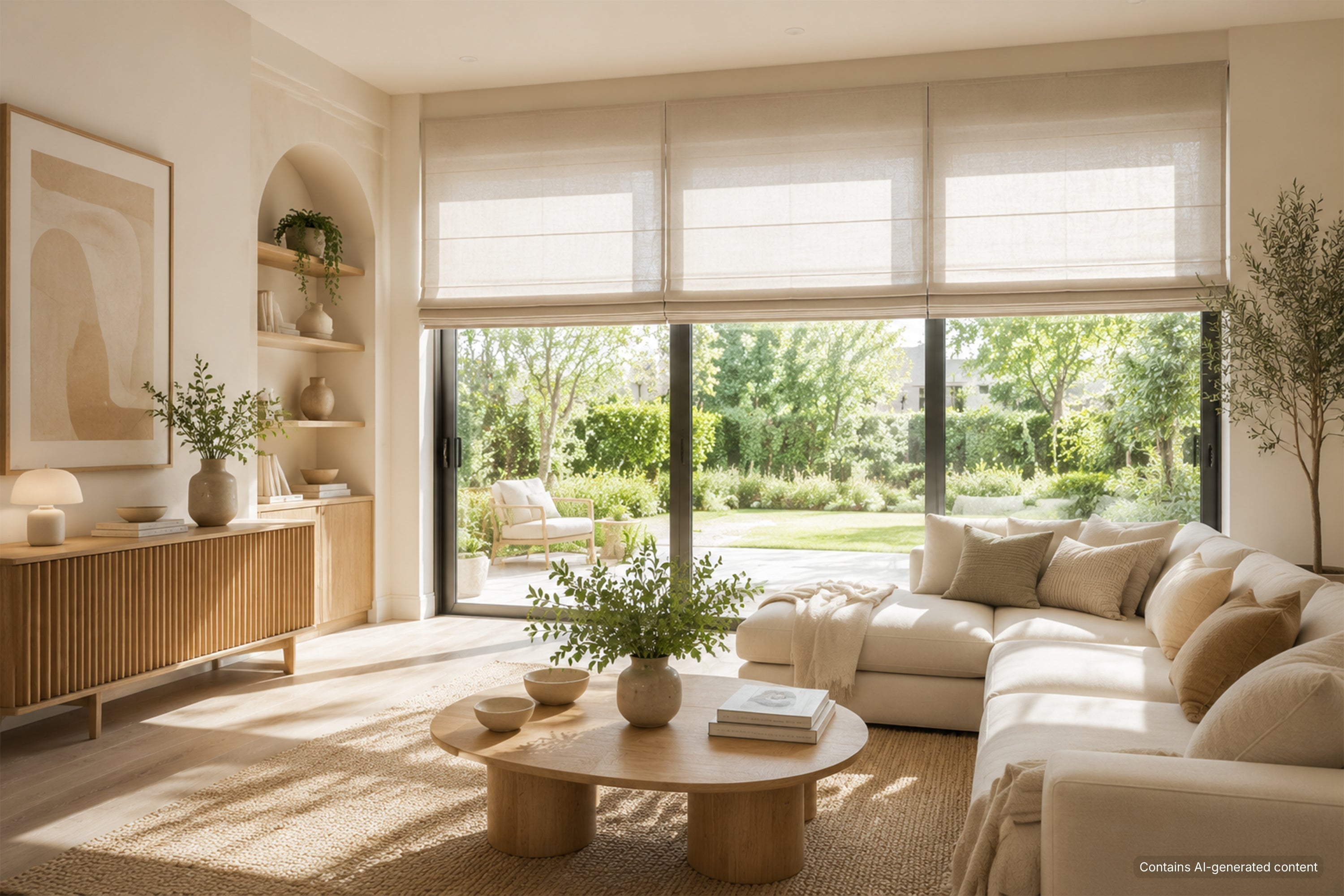
What makes a living room feel modern in 2026?
Surprisingly, it isn't a specific sofa, trendy paint color, or the latest smart gadget. The living rooms people are falling in love with today have something much simpler in common: they feel personal.
After years of chasing picture-perfect interiors, many homeowners are moving in a different direction. Instead of creating rooms that look like they belong in a catalog, they're designing spaces that support real life, spaces where families gather, friends linger, pets nap in sunlit corners, and everyday routines unfold comfortably.
At the same time, sustainability is becoming less of a design buzzword and more of a natural part of the decision-making process. People are choosing pieces that last longer, materials that feel authentic, and home solutions that help create a more comfortable living environment year-round.
The result is a new generation of living rooms that balance beauty with practicality, personality with comfort, and modern style with thoughtful living.
Whether you're planning a full redesign or simply looking for fresh inspiration, the trends shaping living rooms in 2026 offer plenty of ideas worth exploring.
Interior Design Trends for 2026: Spaces That Feel More Human
The most beautiful living rooms of 2026 aren't defined by a single design style. Some lean minimalist, others embrace rustic warmth, while many blend elements from different aesthetics altogether.
What connects them is how they make people feel.
Today's living rooms are becoming more personal, more adaptable, and more connected to the natural world. Rather than following strict decorating rules, homeowners are creating spaces that reflect their lifestyles and tell their stories.
Personality Over Perfection
Not long ago, a "finished" living room often meant matching furniture sets, coordinated accessories, and carefully staged décor.
Today, that approach is giving way to something more relaxed and far more interesting.
Instead of filling rooms with perfectly matched pieces, homeowners are surrounding themselves with items that hold meaning. A favorite piece of artwork, a collection of travel souvenirs, inherited furniture, handmade ceramics, or shelves lined with beloved books all help create a space that feels unique rather than predictable.
Even color palettes are becoming more personal. Warm clay tones, soft sage greens, muted terracotta, and earthy neutrals continue to be popular, not because they're trendy, but because they create a calming backdrop that allows personal details to shine.
The result is a living room that feels collected over time rather than decorated all at once.

Bringing Nature Indoors
Step into many modern living rooms today, and you'll notice a common thread: a stronger connection to nature.
Natural textures and organic materials help soften contemporary interiors and create a sense of warmth that people increasingly crave. Reclaimed wood coffee tables, woven baskets, linen textiles, bamboo accents, and stone-inspired décor introduce depth and character while making spaces feel more grounded.
Houseplants continue to play a starring role as well. Whether it's a large fiddle-leaf fig in the corner or a collection of smaller plants displayed on floating shelves, greenery brings life, color, and a refreshing sense of calm into the room.
This growing appreciation for natural materials isn't just about appearance. Many homeowners are finding that rooms filled with organic textures simply feel more comfortable and inviting.

Designed for Real Life
Modern living rooms are also working harder than ever before.
For many households, the living room serves multiple purposes throughout the day. It might be a workspace in the morning, a gathering place in the afternoon, and a cozy retreat by evening.
Because of this, flexibility has become one of the most valuable design features.
Modular sofas, movable accent chairs, multifunctional storage pieces, and adaptable layouts make it easier for a space to evolve as daily needs change. Rather than committing to a single arrangement, homeowners are creating rooms that can shift naturally from one activity to the next.
Technology is becoming part of this story as well. Smart lighting, programmable thermostats, and motorized window treatments are being integrated more thoughtfully, helping homeowners manage comfort and energy use without disrupting the room's overall design.
Taken together, these trends reveal a simple truth about living room design in 2026: the most successful spaces aren't built around trends at all. They're built around the people who use them every day.

Turning Ideas Into Everyday Living
Of course, creating a more personal and sustainable living room doesn't require a complete renovation.
Often, the biggest impact comes from a handful of thoughtful choices, materials that feel more natural, furniture that adapts to changing needs, or simple upgrades that improve comfort throughout the year.
One area that's receiving renewed attention is the space many people overlook: the windows.
Popular Eco-Friendly Products Shaping Living Rooms in 2026
When people imagine updating their living room, they often think about a new sofa, a fresh coat of paint, or perhaps a statement coffee table. Yet some of the most noticeable improvements come from smaller choices, details that quietly influence how a room feels throughout the day.
The best living rooms of 2026 aren't necessarily filled with more things. Instead, they're thoughtfully layered with products and materials that improve comfort, enhance natural light, and bring a sense of warmth and authenticity to the space.
From window treatments that help manage sunlight to handcrafted décor and flexible furniture, these everyday elements are helping shape living rooms that feel both modern and inviting.
Smart Window Treatments: The Unsung Hero of Living Room Design
Natural light has always been one of the most valuable features in a home. It can make a small room feel larger, highlight architectural details, and completely transform the mood of a space throughout the day.
But managing that light is just as important as letting it in.
As living rooms become more multifunctional, homeowners are paying closer attention to how their windows contribute to comfort, privacy, and energy efficiency. The right window treatment can soften harsh afternoon sun, reduce glare on screens, and create a more comfortable indoor environment year-round, all while complementing the room's overall design.
For those who prefer a clean, contemporary aesthetic, roller shades remain a popular choice. Their simple silhouette blends naturally into modern interiors, allowing furniture, artwork, and architectural details to take center stage. Blackout options are especially useful in living rooms that double as media rooms or spaces where controlling glare is important.
Others gravitate toward roman shades for a softer, more decorative look. Linen-inspired fabrics introduce texture and warmth while gently filtering daylight, creating the kind of relaxed atmosphere that feels equally suited to a quiet morning coffee or an evening spent with friends.
Looking ahead, convenience is becoming part of the experience as well. Motorized shades are gradually moving from luxury feature to everyday upgrade, allowing homeowners to adjust natural light with minimal effort and integrate window treatments more seamlessly into daily routines.
More than simply covering a window, today's shades and blinds are becoming an important part of how a living room looks, feels, and functions.

Natural Materials Add Character That Can't Be Manufactured
Once light and comfort are in place, the smaller details begin to shape the personality of the room.
One reason natural materials continue to resonate with homeowners is that they bring an imperfect beauty that's difficult to replicate. A hand-thrown ceramic vase, a woven rattan tray, or a reclaimed wood accent piece carries subtle variations that make a space feel lived-in rather than staged.
These materials also pair effortlessly with the warm, nature-inspired color palettes that remain popular in 2026. Together, they create layers of texture that make a room feel welcoming without feeling overly decorated.
Lighting is another area where natural materials are making a strong impression. Lamps crafted from woven fibers, clay, stone, or recycled materials often serve as functional artwork, adding visual interest even when they're not illuminated.
As more homeowners seek interiors that feel authentic and timeless, these pieces help create spaces that tell a story rather than simply follow a trend.

Furniture That Evolves With Everyday Life
The role of furniture is changing too.
Instead of choosing pieces designed around a single purpose, many homeowners are looking for furnishings that can adapt as their needs change over time. A modular sofa can be rearranged for entertaining guests, family movie nights, or quiet evenings at home. Storage pieces are expected to work harder, helping keep spaces organized without sacrificing style.
Durability is becoming just as important as appearance. Furniture crafted from quality materials often develops character with age, making it easier to live with and appreciate for years rather than replacing it every time design trends shift.
This approach reflects a broader mindset that defines many of the best living rooms today. Rather than constantly reinventing a space, people are creating rooms that evolve naturally alongside their lives.
And perhaps that's what makes modern living room design in 2026 feel so appealing. It's less about chasing what's new and more about choosing elements that continue to feel good, season after season, year after year.
Bringing 2026 Trends into Your Living Room Year-Round
One of the reasons today's living room trends feel so refreshing is that they aren't tied to a particular season.
Unlike design fads that come and go, many of the ideas shaping living rooms in 2026 are rooted in timeless principles: comfort, flexibility, natural materials, and a stronger connection to the way we actually live. That means a thoughtfully designed space can evolve throughout the year without ever feeling out of date.
As spring arrives, the living room often begins to feel lighter almost on its own. Sunlight lingers a little longer each day, greenery becomes part of the view outside the window, and fresh textures naturally feel more appealing indoors. Swapping in linen pillow covers, adding a few potted plants, or displaying handcrafted ceramics can instantly brighten a space without requiring a major redesign.
Summer continues that sense of openness. Natural light takes center stage, making window treatments especially important in creating a comfortable environment. Light-filtering fabrics can soften intense afternoon sun while still allowing rooms to feel bright and connected to the outdoors. Paired with woven textures and airy textiles, they help create the relaxed atmosphere many people associate with summer living.

When autumn arrives, the focus gradually shifts from openness to comfort. Warm wood tones, textured throws, and earthy colors begin to feel especially inviting. The beauty of a well-designed living room is that these seasonal adjustments don't require replacing everything. A few thoughtful layers can completely change the mood of the space while preserving its overall character.
Winter brings another opportunity to embrace comfort. Soft lighting, natural materials, and cozy textiles help transform the living room into a welcoming retreat from colder days. Rather than filling the room with temporary decorations, many homeowners are choosing timeless pieces that can return year after year, creating traditions as well as visual appeal.
This approach reflects a broader shift in modern design. Instead of constantly refreshing a room to keep up with trends, people are investing in versatile foundations that can adapt naturally over time. The result is a living room that feels current in every season while remaining unmistakably personal.
Define Your Ideal Living Room for 2026
If there's one lesson behind the living room trends of 2026, it's that great design isn't about following a formula.
The most memorable living rooms aren't the ones that look exactly like a showroom. They're the spaces that feel lived in, loved, and uniquely personal. They're the rooms where morning sunlight filters through the windows, where conversations linger long after dinner, and where everyday moments feel just a little more comfortable.
That's why so many of today's design choices, from natural materials and flexible furniture to thoughtfully managed light and energy-conscious solutions, share a common goal: creating homes that support the people who live in them.
Sustainability plays an important role in that story, but not because it's fashionable. Choosing durable furniture, timeless materials, and products designed to improve comfort simply helps create a space that continues to feel beautiful and functional for years to come.
As you think about your own living room, there's no need to embrace every new trend. The best ideas are often the ones that fit naturally into your lifestyle. Keep the pieces that already bring you joy, introduce elements that make daily life more comfortable, and allow your space to evolve over time.
After all, the most modern living room isn't defined by what's new, it's defined by how well it supports the life happening inside it.
Share:
Christmas Buying Guide: No Drill Cellular Shades & Custom Roller Shades
How to Plan Window Blinds for New Homes