


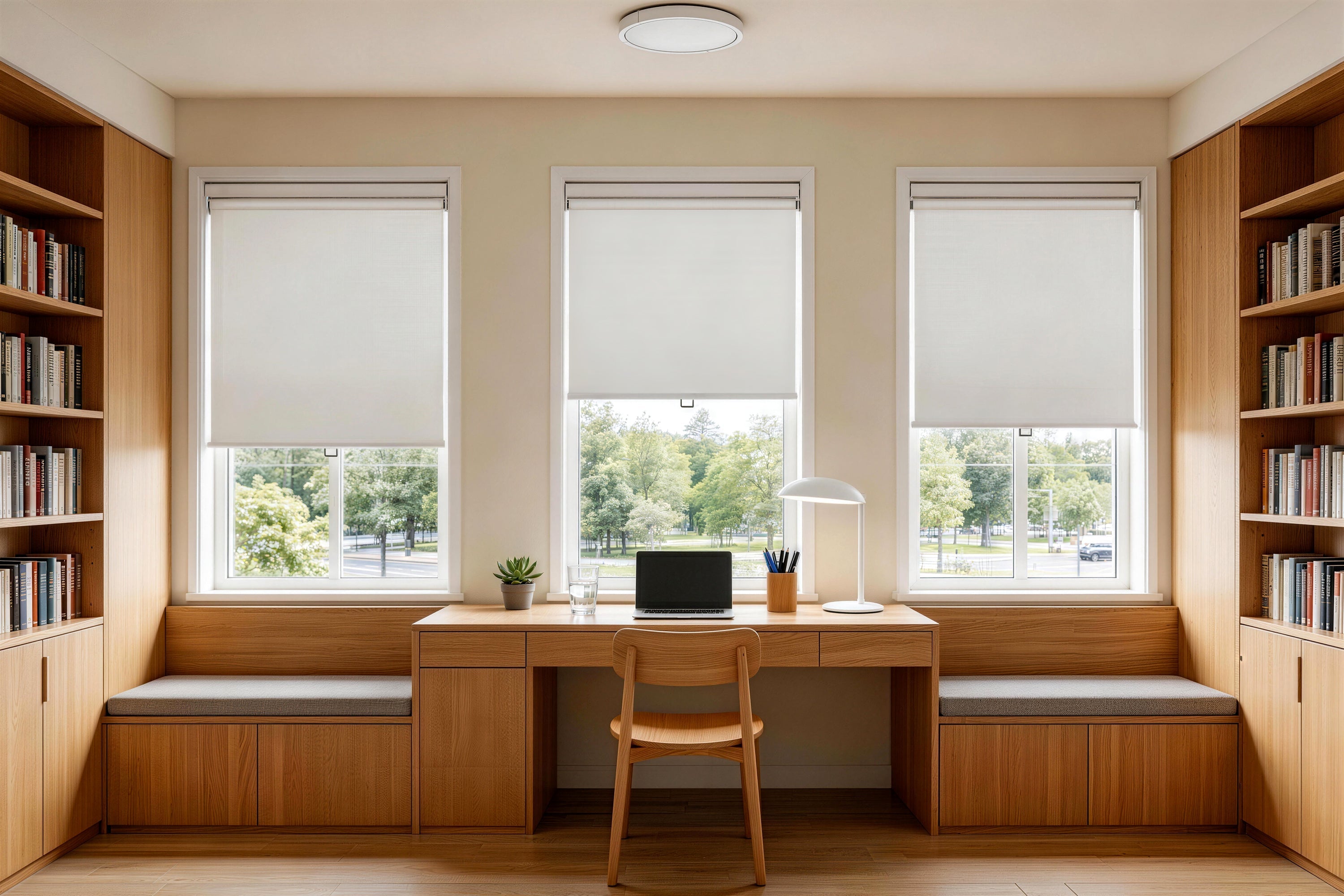
Living in a small apartment doesn’t mean you have to sacrifice style or comfort. With a few strategic design tricks, you can make your apartment feel more spacious without the need to relocate or buy new furniture. From natural light to clever use of window treatments, here are some easy ways to create the illusion of more space.
1.Use Mirrors to Multiply Visual Space
Mirrors are a fantastic way to create the illusion of a larger room. They work by reflecting both light and the room’s surroundings, which makes the space seem more open and airy. The right mirror placement can significantly enhance the feeling of spaciousness in even the tiniest of rooms.
Key Tips:
- Place Mirrors Across from Windows: This maximizes natural light by reflecting it across the room, brightening up the space.
- Opt for a Single Large Mirror: Instead of cluttering the room with several small mirrors, a single large piece can provide a more cohesive and impactful look.
- Leaning Floor Mirrors: These mirrors are not only functional but also visually extend vertical space, making ceilings appear higher and the room more expansive.

2.Let More Natural Light Fill the Room
Natural light is a game-changer when it comes to making small spaces feel larger. Bright and airy rooms feel more inviting and spacious, whereas dim and cramped spaces can make a room feel closed in. Letting in as much natural light as possible helps to create a more relaxed and spacious ambiance.
Key Tips:
- Keep Windows Clear of Obstructions: Let daylight flood into the room by avoiding the placement of furniture or heavy curtains that block windows.
- Choose Light-Filtering Window Treatments: Opt for light-filtering cellular shades, sheer curtains, or roller shades to let in natural light without sacrificing privacy.
- Pick Adjustable Window Coverings: Look for shades or blinds that allow easy adjustment to control the amount of light you want to let in.

3.Choose Low-Profile Window Treatments
Bulky curtains or heavy drapes can dominate a small space, visually shrinking it. Instead, choose streamlined window treatments that maintain the room’s sense of openness while still offering style and privacy.
Key Tips:
- Roller Shades: These create a clean and modern look, taking up minimal space when raised and offering total control over light.
- Zebra Shades: These shades, with alternating sheer and solid slats, allow you to adjust light while adding a sleek touch. If you’re looking for a convenient and no-fuss option, no-drill light-filtering zebra shades are a great choice for easy installation without the need for tools.
- Cellular Shades: Not only do these shades insulate the room, but their clean lines provide a sophisticated yet unobtrusive look that doesn't detract from the room's openness.
Design Considerations:
- Stack Neatly: Choose shades that stack neatly when raised, leaving the windows unobstructed and maximizing the amount of light.
- Keep Windows Visually Clean: Select shades that don’t overpower the design, allowing the window frame and natural light to remain a focal point.
- Maximize Glass Visibility: The more glass you can show, the more openness the room will have.

4.Stick to a Light and Cohesive Color Palette
Color plays a huge role in how spacious a room feels. Too many contrasting colors can break up the visual flow, making a room feel more cluttered and smaller. Opting for a cohesive and lighter color palette helps create a sense of unity, making the space appear more expansive.
Key Tips:
- Limit Your Color Scheme: Stick to 2-3 main colors to create a harmonious and balanced space. This prevents visual overload and keeps the room feeling calm and spacious.
- Choose Lighter Tones: Soft neutrals like white, beige, light gray, or pale linen help make the space feel larger by reflecting light and preventing the room from feeling enclosed.
- Coordinating Large Surfaces: Matching the color of your walls with key elements like curtains, rugs, or bedding helps the space feel more fluid and open. This approach eliminates stark contrasts that can break up the room and create visual clutter.

5.Draw the Eye Upward
When ceilings feel low or the space feels cramped, directing attention upward can help create the illusion of height. Even in apartments with average ceiling height, these tricks can make the room feel taller and less confined.
Key Tips:
- Hang Artwork Higher: Elevating artwork or mirrors on the walls can create the illusion of more ceiling height.
- Incorporate Vertical Elements: Use vertical lines or tall decor items, like a tall bookshelf or slender plants, to elongate the space.
- Install Shelves Near the Ceiling: Using wall space closer to the ceiling frees up more floor space and visually extends the room.

6.Reduce Visual Clutter (Even Without Decluttering Everything)
While it’s tempting to clean out every nook and cranny, you don’t always have to get rid of everything. Instead, focus on reducing visual clutter to make the room feel calmer and more spacious. By lightening the visual load, you’ll create a much more open and peaceful atmosphere, even without doing a full declutter.
Clutter-Cutting Tips:
- Use Matching Storage: Keep smaller items stored in similar containers or baskets, which helps maintain organization and eliminate visual chaos.
- Simplify Surface Decor: Avoid overcrowding tables and counters with items. A few thoughtfully placed items will make the space feel more open and less cramped.
- Limit Textures and Patterns: Stick to a few simple textures to prevent overwhelming the space.

7.Use Lighting to Create Depth
Overhead lighting from a single ceiling light can flatten the space and make the room feel smaller. Layering lighting from multiple sources adds depth and dimension to the room, enhancing the feeling of space.
Key Tips:
- Use Multiple Light Sources: Incorporate a variety of light fixtures, such as floor lamps, table lamps, and wall sconces, to add layers of light and help define different areas of the room.
- Opt for Warm Lighting: Soft and warm lights make the space feel cozy and comfortable, enhancing the overall sense of openness.

Making a small apartment feel larger doesn’t require major renovations or moving everything around. With simple design strategies like maximizing natural light, choosing sleek window treatments, and using mirrors to reflect space, you can create a more open and inviting environment. By combining these tricks, you’ll enjoy a sense of spaciousness and comfort without needing to sacrifice style. A few thoughtful changes can truly transform your home into a place that feels bigger, brighter, and more relaxed.
Share:
Small Changes That Make Your Home Feel Instantly Cleaner
5 Color Palettes That Make Your Small Apartment Look Bigger